My dog ate chocolate: what to do now
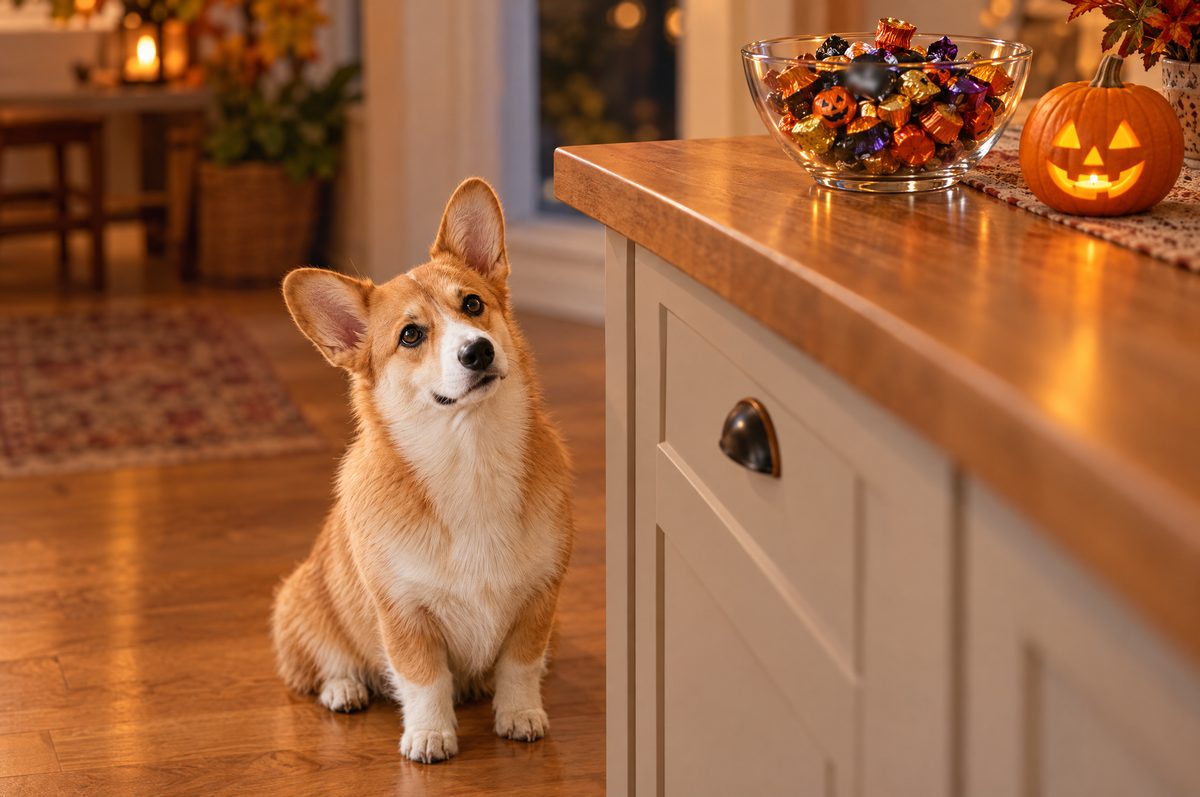
You find an empty wrapper on the floor, and your dog looks pleased. Halloween candy, a cake on the counter, a gift box under the tree: chocolate is everywhere from now to New Year. This page tells you what to do in the next few minutes.
Do this now
- Take the chocolate away from your dog. Keep the wrapper or the box.
- Work out what your dog ate: the type of chocolate, how much, and when.
- Know your dog’s weight. A recent number from the vet is best.
- Call your vet or your nearest emergency clinic. If you cannot reach them, call a pet poison line.
- Follow what they tell you. Write down the advice and the time of the call.
The AVMA says that time is critical. Call at once. Be ready to give your dog’s breed, age, weight and any signs of illness. Take the product package with you if you go to the clinic.
US pet poison lines (a fee can apply):
- ASPCA Animal Poison Control: (888) 426-4435
- Pet Poison Helpline: (855) 764-7661
Why you should not wait for signs
Many owners wait to see if the dog gets sick. That can lose the best time to act.
The Merck Veterinary Manual says that signs of chocolate poisoning usually start 6 to 12 hours after the dog eats it. In severe cases, the signs can last up to 72 hours. A vet can sometimes stop the poison before the body absorbs it, but only soon after the dog ate it.
So a dog that seems fine now may not be fine tonight. Call while your dog is still well.
Which chocolate is most dangerous
Chocolate contains theobromine and caffeine. Dogs are sensitive to both. The ASPCA puts the risk in this order:
- Highest: baking chocolate and cocoa powder
- High: dark chocolate (the higher the cacao percentage, the higher the risk)
- Lower: milk chocolate
- Lowest: white chocolate
Pet Poison Helpline adds that the risk depends on the amount and type of chocolate, and on the size and health of the dog. So a small dog and a large dog can eat the same bar and need different care. Do not guess. Let your vet or the poison line decide from the facts.
Also check what else was in it. Chocolate candy and baked goods can also hold raisins, macadamia nuts or xylitol, a sugar substitute. The ASPCA lists all three as harmful to dogs.
Signs to watch for
The ASPCA lists these signs of chocolate poisoning:
- Vomiting and diarrhoea
- Panting
- Too much thirst, and passing more urine
- Restlessness and hyperactivity
- An abnormal heart rhythm
- Tremors and seizures
In severe cases, chocolate poisoning can kill. If your dog has a seizure, collapses or has trouble breathing, go to the emergency clinic now. Call on the way.
Do not make your dog vomit at home
It is natural to want the chocolate out fast. But Pet Poison Helpline says that making a pet vomit at home can do harm. It can cause pneumonia if the dog breathes in vomit, and ulcers in the throat or stomach. Some breeds and some health problems add more risk.
Call your vet or a poison line first. They decide if vomiting is safe, and if there is still time for it to help. Never use salt, mustard or syrup of ipecac. Pet Poison Helpline warns that each of these can cause serious harm.
Get ready before the next time
This happens most in busy weeks, when bowls of candy are out and visitors bring gifts. A few minutes of work now save time later.
- Put chocolate, candy bowls and baking supplies up high or in closed cupboards.
- Ask children and guests not to share sweets with the dog.
- Save your vet, the nearest 24-hour clinic and a poison line in your phone today.
- Write down your dog’s current weight. The poison line asks for it first.
The Household Command Binder has an emergency contacts page with the vet, the 24-hour clinic and a pet poison line in the order you call them. It also has a grab-and-go summary with each pet’s weight, medicines and allergies, ready to take to the clinic. Fill it in on a calm day, so you have the facts in a bad moment.
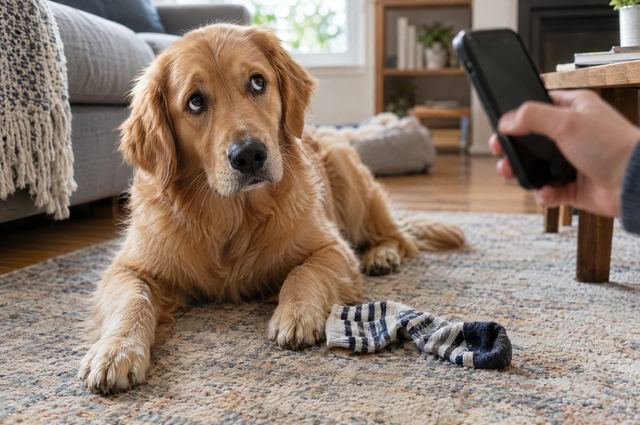
If your dog swallowed a sock or a toy, read dog ate a sock: what to do.
Grapes and raisins are another holiday danger. Read dog ate grapes or raisins.
Questions
My dog ate chocolate but is acting fine. Should I still call?
Yes. The Merck Veterinary Manual says that signs usually start 6 to 12 hours after a dog eats chocolate. A dog can seem fine at first. Your vet or a poison line can tell you if the amount is a risk for your dog.
Which chocolate is the most dangerous for dogs?
The darker the chocolate, the higher the risk. The ASPCA says that baking chocolate and cocoa powder have the most of the harmful compounds. White chocolate has the least. Chocolate candy and baked goods can also hold raisins, macadamia nuts or xylitol.
Should I make my dog vomit?
Not unless a vet tells you to. Pet Poison Helpline says that making a pet vomit at home can cause pneumonia, ulcers or other injury. Call first. A vet decides if vomiting is safe, and the right time to do it.
Is the poison line free?
No. Both US pet poison lines can charge a fee for a call. The AVMA lists both numbers: ASPCA Animal Poison Control, (888) 426-4435, and Pet Poison Helpline, (855) 764-7661. Your own vet is also a good first call.
Sources
- ASPCA: People foods to avoid feeding your pets
- ASPCA Poison Control
- Hayes C. Chocolate toxicosis in animals. Merck Veterinary Manual, professional version (reviewed Sept 2024, updated Feb 2026)
- Pet Poison Helpline: Chocolate
- Pet Poison Helpline: Should I make my pet vomit at home?
- AVMA: Household hazards
This article helps you organise care. It does not replace advice from your vet.