Dog ate grapes or raisins: what to do now, and when signs show

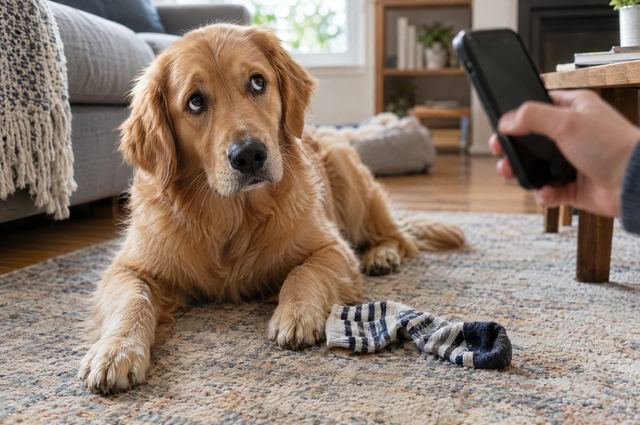
Your dog just ate grapes from the fruit bowl, or a handful of raisins from a child’s snack box. Your dog wags and looks fine. Do you need to do anything?
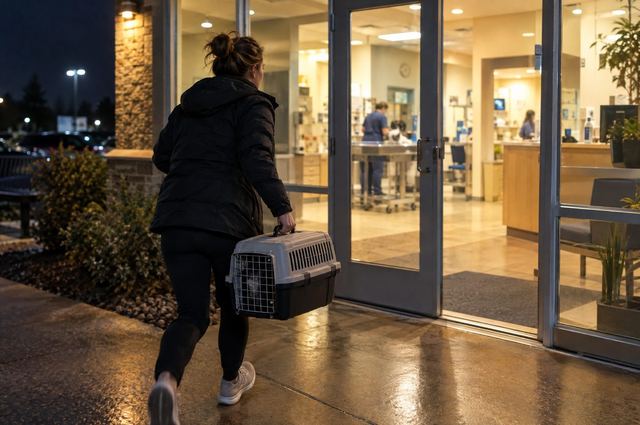
Yes. Call now. This guide explains why, what to tell the poison line, when signs can appear, what the vet will do, and where raisins hide at the holidays.
This page gives general information. It is not veterinary advice.
Call now
Phone one of these at once:
- Your vet, or the nearest 24-hour emergency clinic.
- Pet Poison Helpline: (855) 764-7661, 24 hours a day. A fee applies.
- ASPCA Animal Poison Control Center: (888) 426-4435, 24 hours a day, every day. A fee may apply.
Do not wait for signs. Do not make your dog vomit at home unless a vet or the poison line tells you to.
What to tell them
Have these facts ready:
- Your dog’s weight.
- What was eaten: grapes, raisins, sultanas, currants, or a food with them in it.
- About how much. Count the stems or the gaps in the bunch. Check the box or bag.
- When it happened, as near as you know.
- Any vomiting, diarrhoea or other signs so far.
- Any other thing your dog may have eaten, such as chocolate or sugar-free sweets.
Keep the packet. It helps the vet see the ingredients.
Why grapes are dangerous
Pet Poison Helpline lists the common grape, muscadine, raisins, sultanas, and Zante or Corinthian currants as toxic to dogs. It says signs begin with stomach upset, followed closely by kidney injury.
Veterinary Partner, written by a board-certified vet toxicologist, says the exact cause is still not known. One study found that tartaric acid contributed to the kidney damage. More research is needed.
No safe amount is known. Veterinary Partner describes cases from over a pound of grapes to as little as one serving of raisins. Pet Poison Helpline says the amount eaten and the size of the dog both matter. Some dogs eat grapes and stay well. But no one can tell in advance which dogs will be harmed. That is why vets treat every case.
Signs and timing
Veterinary Partner gives this pattern:
- Within a few hours: vomiting is common. You may see bits of fruit in the vomit or stool.
- Next, over days: loss of appetite, diarrhoea, low energy and belly pain.
- 24 hours to several days: blood tests show kidney values rising.
- Later: the dog makes less urine as the kidneys fail.
So a dog that looks fine on the first evening can still be at risk. The goal is to act before the kidneys are hurt.
What the vet may do
Veterinary Partner describes the usual treatment:
- Make your dog vomit if the fruit was eaten recently. This is done in the clinic, with the right medicine.
- Activated charcoal, to bind what is left in the gut.
- IV fluids in hospital for at least 48 hours, to protect the kidneys.
- Blood tests every day for at least three days, to check kidney values.
Veterinary Partner says that if blood tests are normal after three days, kidney failure is unlikely. If the kidneys do fail, treatment continues with fluids and medicine to make urine. Some dogs need dialysis.
Veterinary Partner also says a dog can make a complete recovery with treatment. Early care is the key.
Ask for a written estimate before treatment, unless your dog needs care at once. Our guide on what to do if you cannot afford the vet bill lists options.
Do not make your dog vomit at home
Pet Poison Helpline lists the risks of vomiting at home:
- Inhaled liquid, which can cause pneumonia.
- Ulcers in the food pipe or stomach.
- More risk for some breeds and some health problems.
It says the safest step is to call your vet or the helpline first. If they tell you to make your dog vomit at home, follow their exact steps.
Where grapes and raisins hide
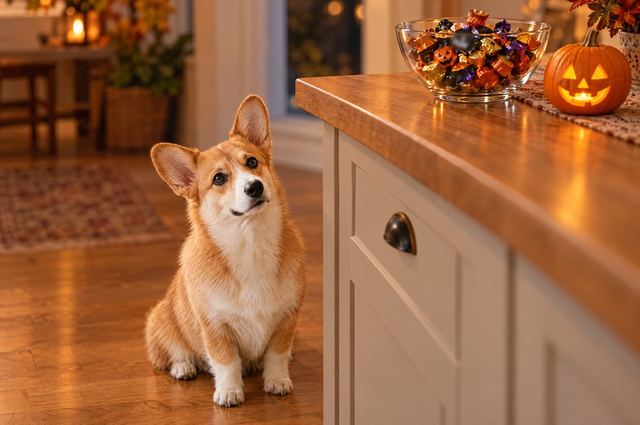
The AVMA lists raisins and grapes among foods that are healthy for people but poisonous to pets. At the holidays, check for:
- Fruitcake, stollen and Christmas pudding.
- Mince pies.
- Stuffing with raisins.
- Raisin bread, bagels and cinnamon rolls.
- Trail mix and granola.
- Cookies and muffins.
- Children’s raisin boxes in bags and coat pockets.
The AVMA also warns about the sweetener xylitol in baked goods. It is linked to liver failure and death in dogs. A raisin muffin with xylitol is a double risk.
Keep it from happening
- Keep fruit bowls off low tables and counters.
- Ask guests to keep snacks out of reach. Children drop raisins.
- Close the bin with a lid.
- Teach a “leave it” cue.
- Keep the poison line numbers on the fridge.
Read our guides to foods dogs cannot eat at Thanksgiving and what to do if your dog ate chocolate.
Be ready before it happens
Our free pet emergency card puts your vet, the 24-hour clinic and both poison lines on one page for the fridge. Our guides to a pet emergency card and a pet emergency go bag explain what else to keep ready. The Household Command Binder keeps emergency numbers and your pet’s records in one place, so anyone in the house can act fast.
Questions
How many grapes are toxic to a dog?
No safe amount is known. Veterinary Partner describes cases from over a pound of grapes to as little as one serving of raisins. Pet Poison Helpline says the risk depends on the amount and the size of the dog. Treat any amount as a reason to call.
Are raisins worse than grapes?
Raisins are dried, so a handful holds more fruit than the same handful of grapes. Pet Poison Helpline lists grapes, raisins, sultanas and currants as toxic to dogs. Veterinary Partner says fresh or dried form did not seem to change the effect in the cases it describes.
My dog ate grapes but seems fine. Can I wait?
No. Call now. Veterinary Partner says blood changes in the kidneys can appear 24 hours to several days after eating. By the time a dog looks ill, damage may have started. Early care, such as making the dog vomit at the clinic, works best.
What does treatment involve?
Veterinary Partner describes making the dog vomit for a recent case, activated charcoal, IV fluids for at least 48 hours and blood tests each day for at least three days. If the blood tests stay normal after three days, kidney failure is unlikely.
Will my dog definitely get sick?
Not every dog does, and no one can predict which will. Veterinary Partner says the cause is still not fully known; one study pointed to tartaric acid. Because the risk cannot be judged at home, vets treat every case as serious.
Should I make my dog vomit at home?
Only if a vet or poison line tells you to, and how. Pet Poison Helpline lists the risks of vomiting at home, including pneumonia from inhaled liquid. Your vet can do it safely in the clinic.
Sources
- Pet Poison Helpline: Grapes
- Veterinary Partner (VIN): The wrath of grapes, Charlotte Means DVM (revised 4 October 2024)
- ASPCA Animal Poison Control Center
- AVMA: Winter holiday pet safety
- Pet Poison Helpline: Should I make my pet vomit at home?
This article helps you organise care. It does not replace advice from your vet.