Thanksgiving foods dogs can and can't eat: a vet-sourced list
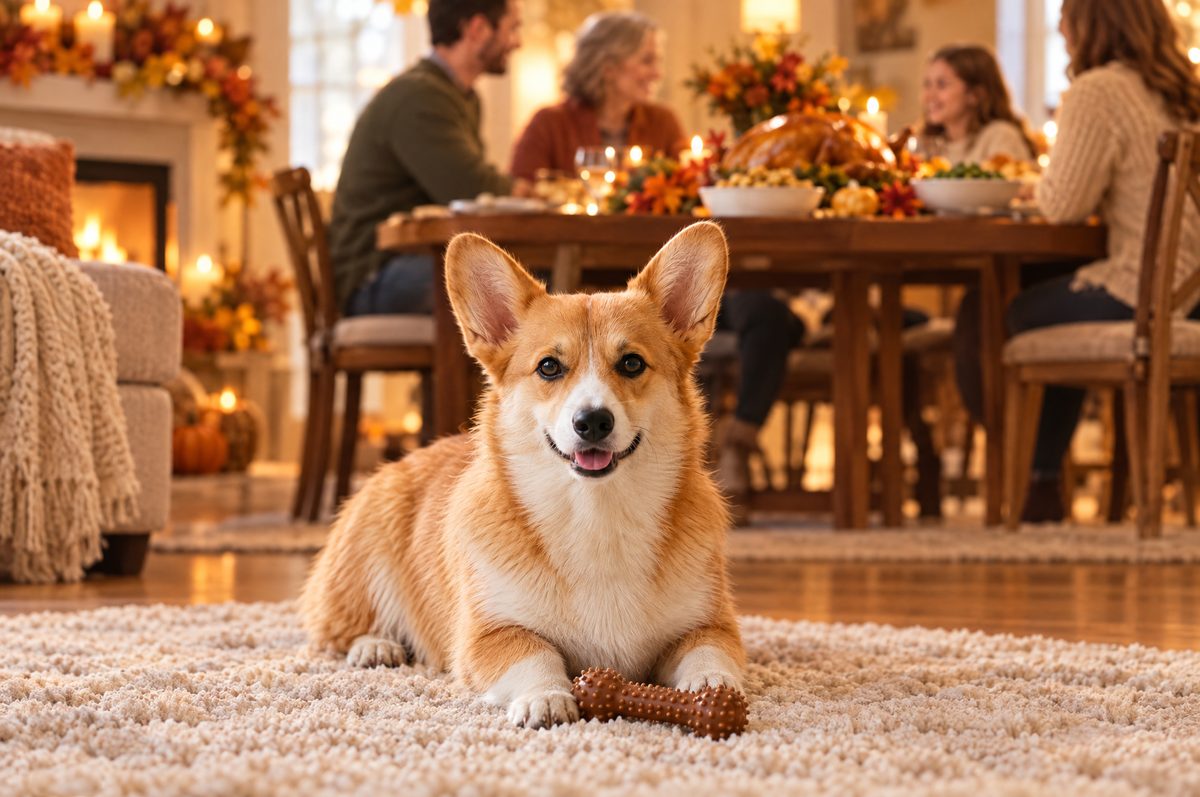
The turkey smells wonderful, and your dog knows it. The AVMA warns that the holiday can bring hazards for pets. Most of the risk comes from a few foods and from a crowded, distracted house. Here is what is safe, what is not, and how to plan the day.
Safe in small amounts
The AVMA says that plain, boneless and skinless turkey is generally safe for pets in small portions. The ASPCA adds that the meat must be fully cooked, because raw or undercooked turkey can carry salmonella.
The ASPCA also suggests a small feast for your dog: mix a few pieces of turkey, sweet potatoes and green beans into the usual dinner. Keep the dog’s portion plain. Take it out before you add butter, salt, onion, garlic or sauce.
Keep it small. A rich meal that a dog is not used to can upset the stomach. If you want to give a treat, the AVMA suggests a treat made just for pets.
Foods dogs can’t eat at Thanksgiving
These come from the AVMA and the ASPCA:
| Food | Why it is a problem |
|---|---|
| Turkey bones | A choking hazard; can damage the gut or cause a blockage |
| Turkey skin, fat and drippings | Hard to digest; even a small amount can cause pancreatitis |
| Gravy, sauces and stuffing | Fat, and often onion, garlic or salty stock |
| Onions, garlic, chives | Can damage red blood cells |
| Bouillon cubes and stock | High in salt; can cause stomach problems and even seizures |
| Grapes and raisins | Can damage the kidneys |
| Raw yeast dough | Expands in the stomach and makes alcohol |
| Raw batter with eggs | Can carry salmonella |
| Desserts with xylitol | Can cause low blood sugar, liver damage or death |
| Chocolate | Vomiting, a fast heart, tremors, seizures |
| Pumpkin pie | Can contain ingredients that are toxic to pets |
| Alcohol | Vomiting, poor balance, trouble breathing |
If your dog eats any of these, call your vet or an emergency clinic at once. You can also call ASPCA Poison Control at (888) 426-4435 or Pet Poison Helpline at (855) 764-7661. A fee can apply.
Watch the trash and the table
Many problems start after the meal, not during it. The ASPCA says the trash fills up with bones, chocolate, onions and other holiday hazards.
- Put the turkey carcass and bones in a tightly closed bag. The AVMA says to put it in a closed bin outdoors or behind a closed door.
- Take the trash out during the day, not only at night.
- Clear plates from low tables and the edge of the counter.
- Ask guests not to feed the dog from the table. Give children a dog treat to offer instead.
Guests, open doors and a quiet room
More people in the house can overwhelm a dog. The ASPCA suggests a quiet place to rest, such as a bedroom with the door open or blankets on the floor. If your dog is nervous with visitors, the AVMA suggests another room or a crate with a favourite toy.
Watch the front door. The AVMA warns that a dog can slip out while you welcome guests and collect coats. Check that your dog wears a collar with a current ID tag before the first guest arrives.
Guests can also bring medicines in their bags. The ASPCA says that pets often eat medicines that visitors bring. Ask guests to keep bags up high or in a closed room.
Travelling or leaving your dog with a sitter
If you travel for Thanksgiving, plan for your dog too. If your dog goes to a boarding kennel, the AVMA says to ask your vet how to protect your dog from contagious diseases and to check that vaccines are up to date.
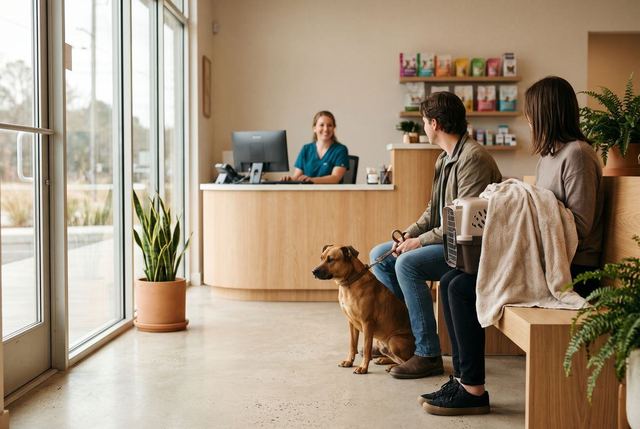
A sitter at home needs clear food rules. Write the exact amount of food, the treats your dog can have, and the foods it must never eat. Leave the vet’s number and the nearest 24-hour clinic.
Our free pet sitter sheet makes a one-page summary in two minutes. For a longer trip, the Sitter Handover and Vet Release Kit has a food page with exact amounts, a treats and food rules page with the foods your dog must never eat, a “when to call the vet” page, and a signed vet release, so your sitter can get care for your dog if you cannot be reached.
Boarding your dog for the holiday? Read how long before boarding your dog needs the kennel cough vaccine.
If your dog eats stuffing or cake with raisins, read dog ate grapes or raisins.
Questions
Can dogs eat turkey?
A small amount of plain, boneless, skinless turkey is generally safe, says the AVMA. It must be fully cooked. The ASPCA warns that raw or undercooked turkey can carry salmonella. Skip the skin, the fat and the gravy.
Can dogs eat turkey bones?
No. The ASPCA says poultry bones are a major choking hazard. The AVMA adds that bones can damage the digestive tract or cause a blockage. Put the carcass in a closed bin that your dog cannot reach.
Can dogs eat pumpkin pie?
Do not share it. The AVMA warns that pumpkin pie can contain ingredients that are toxic to animals. Desserts may also contain xylitol or chocolate, which are dangerous for dogs. Give your dog a treat made for dogs instead.
Can dogs eat sweet potatoes and green beans?
The ASPCA suggests a small mix of turkey, sweet potatoes and green beans in your dog's usual dinner. Keep them plain. Do not use butter, onion, garlic, marshmallows or sauces on the dog's portion.
Sources
- AVMA: Thanksgiving pet safety
- ASPCA: Thanksgiving safety tips
- ASPCA: People foods to avoid feeding your pets
This article helps you organise care. It does not replace advice from your vet.