How to find a good vet: what to check before you choose a clinic
A good vet is a partner for your pet’s whole life. You will see this person at the best times and the worst. So choose with care, and choose early.
This page gives general information. It is not veterinary advice.
The short answer
Choose a vet before you need one. Then check six things:
- Access. Hours, location and parking.
- Emergencies. What the clinic does when your pet is very sick.
- Services. What the clinic can do on site.
- People. How the team treats you and your pet.
- Cost. A quote by phone, and how you can pay.
- The clinic itself. A short visit, before your first appointment.
AAHA, the American Animal Hospital Association, gives most of this list. A note on that source: AAHA is the group that accredits clinics, so it has a stake in accreditation. We use its list for the practical steps, and we say where the claim is AAHA’s own.
When to choose a vet
Do it before an urgent need. International Cat Care says to choose a clinic before the need arises, so your cat is already registered. The same is true for a dog.
Good times to choose:
- When you adopt a puppy, kitten or adult pet.
- When you move house.
- When your pet’s needs change, for example when it becomes a senior.
AAHA says every pet should have a preventive care visit each year. The visit includes an overall exam, vaccines that are due, parasite control and sometimes standard bloodwork. As a pet ages, AAHA says visits every six months are encouraged. If your pet is old, read how to care for a senior dog or when is a cat a senior.
1. Access: hours, place and parking
AAHA says convenience is one of the first factors. Check these:
- Hours. If you need evenings or weekends, check the clinic can do that. AAHA notes that preventive visits may run at different hours from emergency visits.
- Distance. A clinic near home or near work may suit your day.
- Parking and transport. Check how you will get there and where you will park.
2. Emergencies: ask this before you need it
AAHA says to know whether the clinic accepts emergency visits. It says some clinics have set hours for emergencies and some are open 24 hours a day. It also says to know where the closest AAHA-accredited emergency practice is, and whether it is your regular vet.
AAHA gives a tip: call ahead to tell an emergency vet that you are on the way. They can give you a rough wait time. AAHA also says emergency care is mainly first come, first served, unless a life is at risk.
Write the emergency clinic’s name, address and number on a card for your fridge. Our guide pet emergency card shows how. Read when to take a cat to the emergency vet too.
3. Services on site
AAHA lists what a clinic may offer:
- Preventive care. The most common service.
- Diagnostics. AAHA says to ask whether the clinic has imaging, such as ultrasound or x-ray, and an in-house lab for blood work or parasite checks. It says a vet may send a radiology report to an outside radiologist for a second read.
- Specialists. Vets can specialise in dentistry, orthopaedics, dermatology, cardiology and other fields. Ask whether the clinic has a specialist or works with one at another office.
- Treatment options. Most practices do routine surgery, such as spay and neuter. Some offer other therapies.
- Extras. Some clinics also offer grooming, boarding, nail trims, behaviour consults and a pharmacy.
4. The team
AAHA says to feel connected to the team. It says they should listen to your worries, speak in a friendly way and answer your questions on time. Ask how they follow up: email, text or phone.
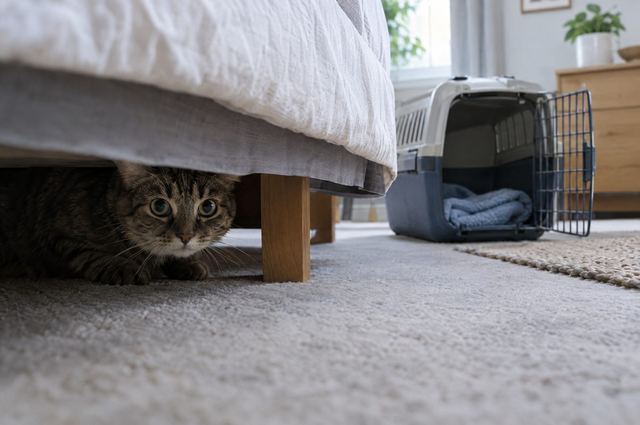
AAHA also says to ask whether the team has cat-friendly protocols, or follows Fear Free practices, especially if your pet gets anxious at the vet. If your pet is scared, read dog scared of the vet and cat hates going to the vet.
5. Cost and payment
AAHA says to understand the likely costs before you choose. It says a quick call can give you a quote.
It also says:
- Most veterinary practices do not work directly with insurance companies, but it is worth asking.
- Ask about payment plans and other help. AAHA says most practices accept CareCredit.
- Do not be afraid to ask for a quote. Because a pet cannot say what is wrong, you may meet costs you did not expect.
Our guides explain each option: how to pay for vet bills, do vets do payment plans? and is pet insurance worth it for dogs? or for cats?.
6. Visit the clinic first
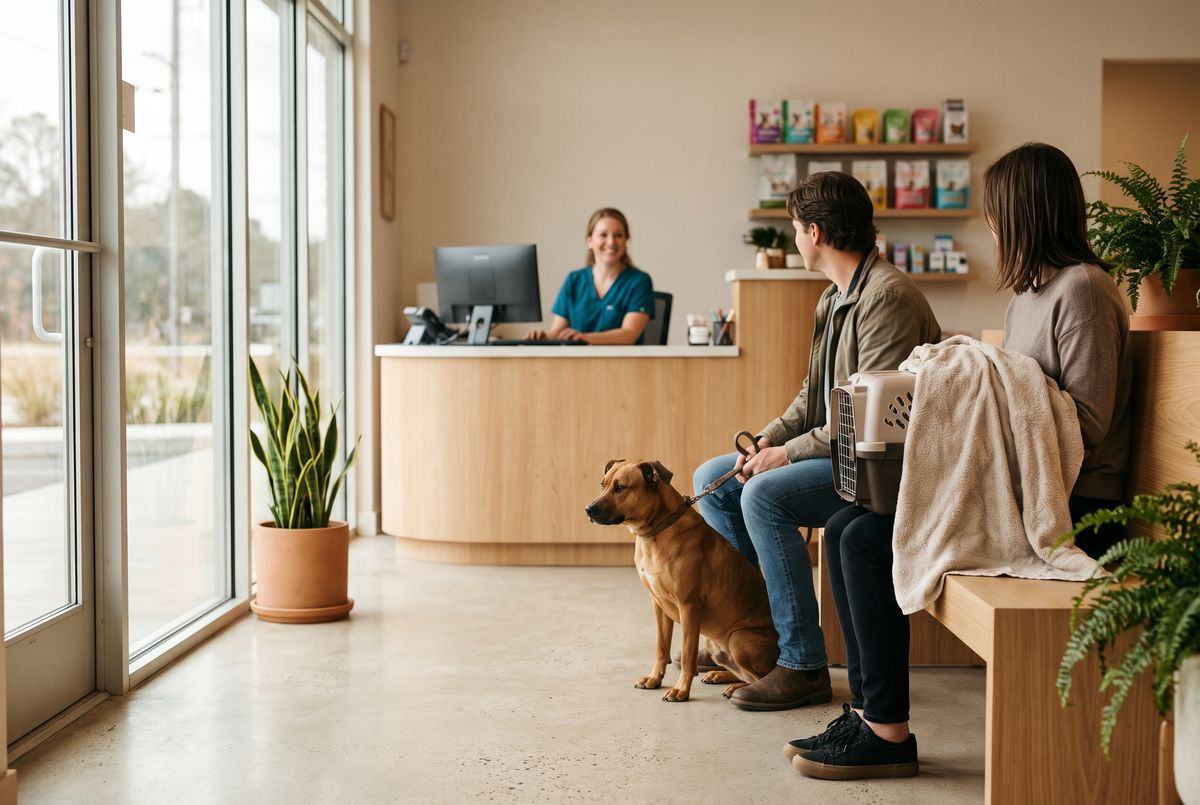
AAHA says to drop by. A minute or two in the waiting room shows what it will be like for you and your pet. Introduce yourself to the front desk. Look at the seating. If you have an anxious cat, check whether you can sit in a corner. Look at the cleanliness and order of the clinic.
International Cat Care says to ask to look around without your cat. Some clinics hold open days.
What AAHA accreditation means, and does not mean
AAHA says that, unlike human medicine, the veterinary world has no required standards or accreditations. Accreditation is voluntary. An AAHA-accredited practice is checked on nearly 50 mandatory standards and almost 900 total standards. These cover pain management, client service, surgery and emergency care, among other things. The practice must pass a new check every few years.
So an accredited clinic is a good sign. It does not mean a clinic without accreditation is poor. AAHA gives a locator tool on its website to find accredited clinics.
Extra checks for cats
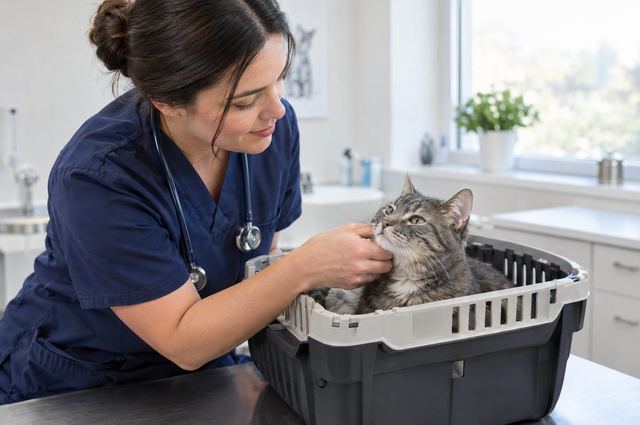
Many cats find the vet stressful. International Cat Care lists what a cat-friendly clinic does:
- A separate cat area or cat-only appointment times.
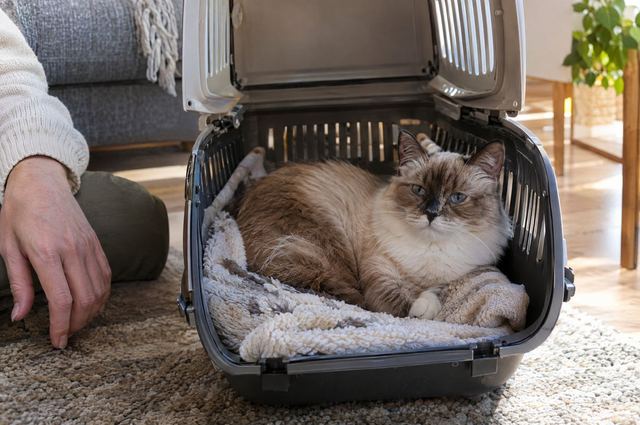
- Carriers raised off the floor and covered, to limit the sight of dogs.
- Staff who open the carrier and let the cat come out on its own.
- A “less is more” approach, with no direct eye contact, non-slip mats and treats.
- A cat ward away from barking dogs, with hiding places in each cage.
- Pheromone diffusers in waiting and exam rooms.
- A clean, well-aired clinic without a strong smell of disinfectant.
It also suggests asking whether the clinic is an accredited Cat Friendly Clinic, and whether any vet has extra feline qualifications.
The Feline Veterinary Medical Association and International Cat Care run the Cat Friendly Practice program. A practice completes a self-assessment based on a 130-point checklist in 10 topic areas. In North and South America and the Caribbean, find a practice at catfriendly.com. Elsewhere, use International Cat Care’s Cat Friendly Clinic list.
Our guide how to take a cat to the vet covers the trip itself.
Take your records
Your first visit goes better with facts. Bring your pet’s vaccine record, past illnesses, medicines and food. Our free vet summary puts it all on one page. See also organize pet medical records.
Plan for the bill
Once you have a vet, plan for the cost. The Dog Vet Bill Plan is a fillable PDF. It has the words to say at the vet when you ask for an estimate and a cheaper “Plan B”, a Plan A, B and C sheet, a plain-language guide to insurance, a fund plan and a claim tracker. For cats, see the Cat Vet Bill Plan.
Questions
When should I choose a vet?
Before you need one. International Cat Care advises choosing a clinic before an urgent need arises, so your cat is already registered. AAHA says every pet should have a preventive care visit each year. Pick a clinic when you adopt, move or change jobs, and you will not search in an emergency.
Does my vet need to be AAHA accredited?
No. AAHA says accreditation is voluntary, and that the veterinary world has no required standards or accreditations. An AAHA-accredited clinic is checked against nearly 50 mandatory and almost 900 total standards. A clinic without it is not necessarily poor. AAHA sets the standard, so treat the badge as a useful sign, not a guarantee.
What should I ask a new vet?
Ask about hours, who sees emergencies, whether the clinic has x-ray, ultrasound and an in-house lab, which specialists it works with, how staff contact you, and what a visit costs. Ask if the team follows cat-friendly or Fear Free practices. AAHA says a quick phone call can give you a cost quote.
How often should my pet see the vet?
AAHA says every pet should have a preventive care visit each year. This includes an exam, vaccines that are due, parasite control and sometimes bloodwork. As a pet ages, AAHA says visits every six months are encouraged. Your vet may advise a different schedule for your pet.
What makes a clinic cat friendly?
International Cat Care says look for a separate cat area or cat-only times, carriers raised off the floor, staff who open the carrier and let the cat come out, non-slip mats and a cat ward away from barking dogs. The Cat Friendly Practice program uses a 130-point checklist across 10 topic areas.
Does the vet take pet insurance?
Ask. AAHA says most veterinary practices do not work directly with insurance companies, but it is worth asking because this is slowly shifting. Ask how claims work at that clinic. AAHA also says most practices accept CareCredit. Ask about payment plans before you need one.
Sources
- AAHA: Prioritizing your pet's health, how to choose a veterinarian
- International Cat Care: How to choose a veterinary clinic for your cat
- Feline Veterinary Medical Association: Cat Friendly Practice program
This article helps you organise care. It does not replace advice from your vet.