When is a cat a senior? Age, changes to watch and vet visits
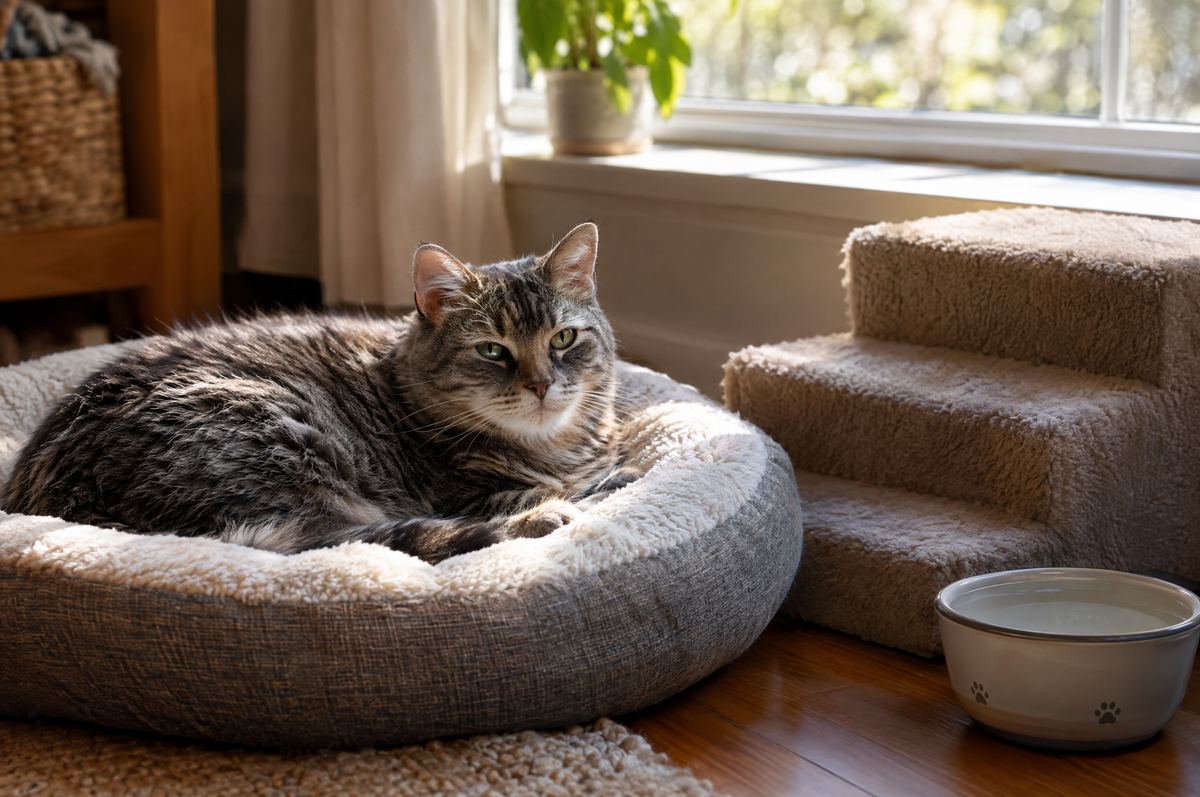
Your cat still naps in the same sunny spot. But the jump onto the bed takes a moment longer now, and the water bowl empties faster. Is your cat a senior yet? Vets have a clear answer, and it helps you know what to watch for.
The life stages vets use
In 2021, the American Animal Hospital Association (AAHA) and the American Association of Feline Practitioners (AAFP) set these life stages for cats:
| Life stage | Age |
|---|---|
| Kitten | Birth to 1 year |
| Young adult | 1 to 6 years |
| Mature adult | 7 to 10 years |
| Senior | 10 years and older |
| End of life | Any age |
So a cat is a senior from about 10 years old. The guidelines also say that some healthy cats over 10 stay in excellent condition. The vet may care for them as mature adults.
The Cornell Feline Health Center notes that cats now live longer, thanks to better food, indoor life and veterinary care. One Cornell vet says many cats are now thought of as older at 12 to 14 years. The main point is the same: from middle age on, look for early signs of disease.
How often a senior cat should see the vet
The 2021 guidelines say that senior cats should see the vet at least every 6 months. Cats with a long-term condition may need visits more often.
For mature adults and seniors, the visit focuses on early detection of disease. The guidelines name kidney disease as one example. At every visit, the vet records body weight, body condition and muscle condition, to see trends early.
A Cornell vet agrees: six-month checkups suit older cats. For a healthy older cat, the vet suggests a yearly senior exam with blood work and X-rays, and a smaller exam in between. Your vet decides the tests.
Changes to watch for at home
Cornell says that older cats are often less active, sleep more, and gain or lose weight. But do not explain changes as only old age. Gradual changes can be signs of disease or dental problems, so tell your vet.
The 2021 guidelines list these changes to watch for in mature adult and senior cats:
- Weight. Being underweight is common in senior cats. A monthly weigh-in on the same scale shows the trend.
- Thirst and urine. Drinking and urinating more can point to kidney disease, diabetes or an overactive thyroid.
- The litter box. Changes can mean urinary disease, constipation or diabetes. They can also mean weak muscles, poor balance or pain.
- Jumping and climbing. Joint disease and muscle weakness often show first as less jumping.
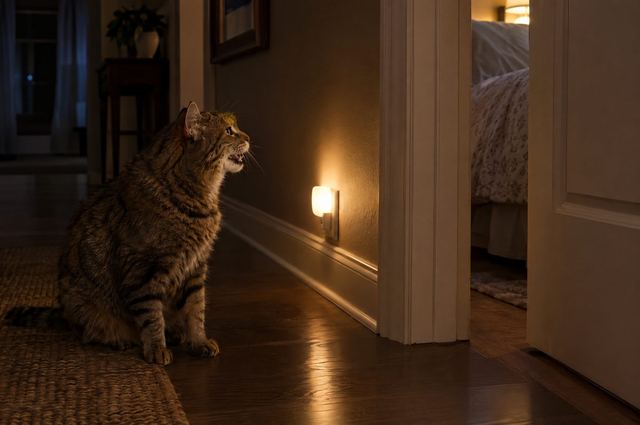
- Crying at night. This can come from hearing or vision loss, cognitive dysfunction, pain, an overactive thyroid or high blood pressure.
- New or unusual behaviour. The guidelines say a vet should check a senior cat for a medical cause.
Cornell adds one more sign: if a cat suddenly stops grooming, it may be a health problem.
Make home easier for an older cat
Cornell and the 2021 guidelines suggest simple changes:
- Put a litter box on every floor. Use boxes with low sides, so a stiff cat can step in.
- Put food and water in more than one place, so your cat does not have to climb stairs.
- Give fresh water all day. Kidney function often declines in older cats.
- Add steps or a ramp to a favourite windowsill or chair. Cover them with carpet for grip.
- Give a warm, soft bed out of draughts. Warm, not hot.
- Brush gently if your cat grooms less.
- Use a night light for a cat with poor sight.
- Keep the daily routine the same. Older cats find change harder.
Keep a simple record
Small changes are easy to miss when you see your cat every day. A record helps you notice, and helps your vet see the trend between visits.
The Medical and Dosing Tracker has a weight tracker, a daily check for eating, drinking, toilet and energy, and a water, appetite and urine log for kidney, bladder or thyroid care. It also has a lab results page that keeps each result side by side for 5 visits, so you can see a change over time.
Before each check-up, our free vet visit summary puts your cat’s meals, medicines and notes on one page for the vet.
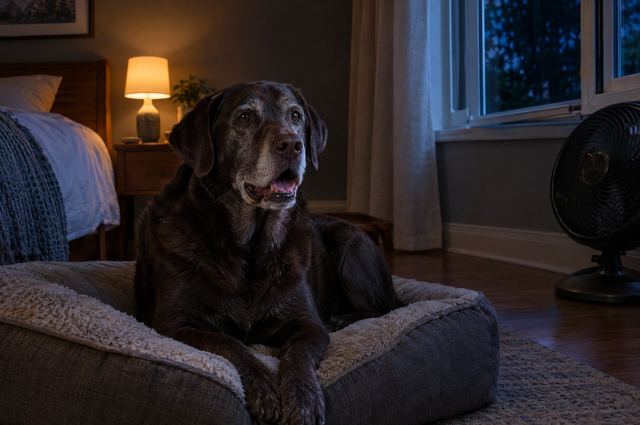
Have an older dog too? Read when a dog becomes a senior. For dogs, the age depends on size.
If an older cat is very ill, read how to know when to put your cat down.
If your older cat cries at night, read old cat yowling at night. For the end of life, read cat euthanasia: what to expect.
If your older cat no longer jumps up, read older cat not jumping anymore.
Questions
Is a 7-year-old cat a senior?
No. The 2021 AAHA/AAFP guidelines call a cat from 7 to 10 years a mature adult. At this age, vets start to look more closely for early disease, such as kidney disease. A cat is a senior from 10 years old.
How often should a senior cat see the vet?
At least every 6 months, says the 2021 AAHA/AAFP Feline Life Stage Guidelines. Cats with a long-term illness may need visits more often. Ask your vet what plan fits your cat.
Is it normal for an old cat to sleep more?
Older cats often sleep more and play less, says the Cornell Feline Health Center. But do not explain every change as old age. Gradual changes in weight, behaviour or the litter box can be signs of disease. Tell your vet.
Why does my old cat cry at night?
The 2021 guidelines list several causes of night crying in senior cats: hearing or vision loss, cognitive dysfunction, pain, an overactive thyroid and high blood pressure. Each needs a vet to check. Write down when it happens.
Sources
- Quimby J, Gowland S, Carney HC, et al. 2021 AAHA/AAFP Feline Life Stage Guidelines. Journal of Feline Medicine and Surgery, 2021
- AAFP: 2021 AAHA/AAFP Feline Life Stage Guidelines (summary and life stages)
- Cornell Feline Health Center: Loving care for older cats
This article helps you organise care. It does not replace advice from your vet.