How to care for a senior dog: vet visits, weight, joints, mind and nights
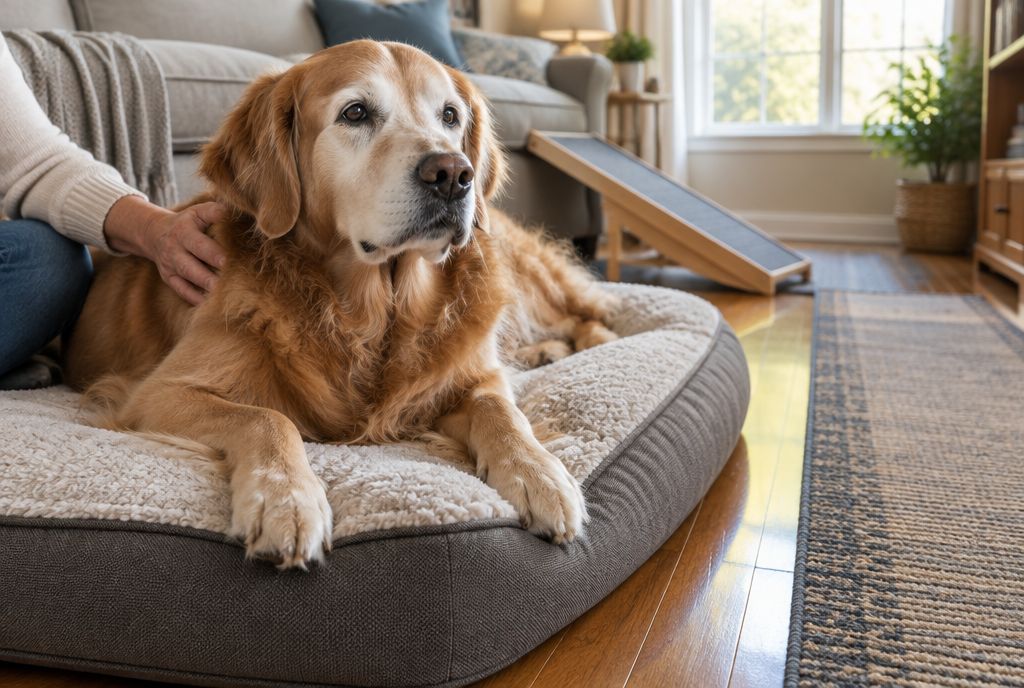
Your dog still wags at the door. But the muzzle is grey, the stairs take longer, and the nights are not as quiet as they were. Many owners ask the same thing: what do I do now, and what can I do for my dog?
This guide puts the whole job in order, from the first senior vet visit to the hard decisions at the end. Each step links to our detailed guide on that step.
This page gives general information. It is not medical advice. Your vet knows your dog. Ask your vet before you change food, exercise or medicine.
The short plan
Senior care is a set of small habits. Most of them take a few minutes a week.
- See your vet at least twice a year. Do not wait for a problem.
- Weigh your dog every two months. Use the same scale each time.
- Keep your dog lean and give clean water at all times.
- Check the mouth, the nails and the coat.
- Make the home safe for sore, stiff legs.
- Watch sleep, thirst, movement and mood. Write down changes.
- Call your vet early when something is new.
The rest of this page explains each step, with the source for each fact.
Age is not a disease
The AVMA says this clearly: age is not a disease. A senior dog can have many good years. The 2023 AAHA senior care guidelines say the same. They also say that senior pets are 44% of the pet population.
So a new change in an old dog is not “just old age”. The RSPCA says not to assume that less play or weight loss is only age, because there may be a medical cause. The cause may be treatable.
The AVMA says behaviour changes can be the first signs of aging, and that they can come from pain, poor sight or hearing, disease or the normal aging process. Your vet can tell which.
When is a dog a senior?
There is no one age. The AVMA says experts call a dog senior in the last 25% of its expected life span. Using American Kennel Club data, the AVMA gives these ages:
| Size | Senior from about |
|---|---|
| Small or toy (under 20 lb) | 8 to 11 years |
| Medium (20 to 50 lb) | 8 to 10 years |
| Large (50 to 90 lb) | 8 to 9 years |
| Giant (over 90 lb) | 6 to 7 years |
VCA Animal Hospitals uses 75% of the average life span, which is the same rule. It says a giant breed such as a Great Dane may be senior at 5 or 6 years. Our guide when is a dog a senior has the life stages, and the changes to watch for at each one.
Step 1: Vet visits, twice a year
Three sources give the same advice. The AVMA says senior pets need to see a vet twice a year or more. VCA says to have your dog examined at least twice a year, because health changes can be subtle. The ASPCA says the same, and says more often if your dog is being treated for a health problem.
The AVMA says a senior exam is similar to a younger dog’s exam, but more in-depth. It may include dental care, possible bloodwork, and checks for signs of age-related disease. The ASPCA says vets look at sudden weight changes, dental health, eating and drinking, mobility, the heart, and kidney and liver function through lab tests.
VCA says to ask your vet which wellness tests suit your dog. These can include blood and urine tests, and imaging of the chest and abdomen. It says early detection of kidney disease, thyroid disease, diabetes and cancer can be the key to successful treatment.
How to get the most from each visit:
- Bring your notes. Write down what changed, and when.
- Film anything that comes and goes, such as a limp or a tremor.
- Bring a list of every medicine, food and supplement. Our free vet summary puts it on one page.
- Ask what to watch for before the next visit.
If cost worries you, read how to pay for vet bills before an emergency, not after.
Step 2: Weigh your dog every two months
VCA advises you to weigh your dog on the same scale at least every two months. It says weight changes can be an early sign of disease. Both directions count.
Weight gain. The RSPCA says older dogs are more prone to obesity, which can make arthritis worse, add to heart disease and shorten life. VCA says a healthy weight can reduce signs of osteoarthritis and improve longevity. The AVMA lists a higher risk of arthritis, trouble breathing, diabetes, heart disease and cancer in overweight senior pets. It also says an overweight pet may show no early warning signs.
Weight loss. The AVMA says sudden weight loss in a senior pet often means something is wrong. It lists cancer, diabetes and kidney disease as causes. The RSPCA also says to watch for both loss and gain.
How to weigh a large dog: stand on a scale with your dog, then without. Subtract. Write the number and the date. Our guide how to tell if a dog is in pain explains why a dog that eats less may be hurting.
Step 3: Food, water and treats
Do not change your dog’s diet on your own. Ask your vet. The RSPCA says to change food gradually to avoid stomach upset, and that around age 7 a dog may benefit from a senior diet, depending on breed and size.
What the sources agree on:
- Metabolism slows. The ASPCA says weight gain can be hard on seniors. It suggests a senior-formula diet and lower-calorie treats, as your vet advises.
- Food that is easy to digest. VCA says to feed a high-quality, easily digestible food. It says the gut of an older dog may absorb nutrients less well.
- Smaller, more frequent meals may help, if your vet agrees (RSPCA).
- Watch the bowls. VCA and the RSPCA say to check that other pets do not block your senior dog from the food and water.
- Raise the bowls to reduce strain on the joints (VCA).
Water. VCA says older dogs may feel less thirst, which raises the risk of dehydration. It says to give plenty of fresh water and to track how much your dog drinks. It advises a water bowl on every floor of your home.
VCA also says that a lot more drinking or urinating can go with diabetes, kidney or liver disease. It says a normal daily intake is well under 100 mL per kilogram. If your dog drinks more than usual, read dog drinking a lot of water at night. It shows how to measure a full day of drinking.
Step 4: Mouth, nails and coat
These are small jobs. They matter more with age.
Mouth. VCA says gum disease is common in senior dogs and that the bacteria can harm organs. It says to work with your vet on the right routine, which may include brushing, water additives and a dental cleaning with a full oral check under anaesthesia. Foul breath or drooling is on VCA’s list of signs to report. Our guide how to brush a dog’s teeth when they refuse helps if your dog resists. For cost, see dog dental cleaning cost.
Nails. VCA says long nails change how a dog stands and walks, remove traction and can make arthritic changes worse. The ASPCA says overgrown nails make walking harder, most of all on hard floors. If your dog hates nail trims, our guide on black dog nails and the one on dogs that will not let you cut their nails show the steps.
Coat and skin. VCA says to brush often to prevent mats, because mats can cause skin infection and hide skin tumours. The RSPCA says gentle grooming lets you check for lumps, bumps and sore areas. Make a habit: run your hands over your dog once a week. Note any new lump, with its size and place.
Step 5: Joints, pain and floors
Arthritis is the common problem. The AVMA says activity changes are often the first warning. Look for a dog that avoids running, jumping, stairs or the car. Other signs from the AVMA are favouring a leg, stiff walking, trouble sitting or standing, sleeping more, resisting touch and playing less.
Dogs hide pain. Cornell University says pain signs often develop slowly. Our guide lists 18 signs of pain in a dog. If your dog limps but does not cry out, read dog limping but not crying.
Never give a human pain medicine. The FDA says human pain relievers can last longer in a dog and can cause serious harm. Give only what your vet prescribes. The AVMA says that treatment for arthritis does not stop at medicine, and that home changes can help.
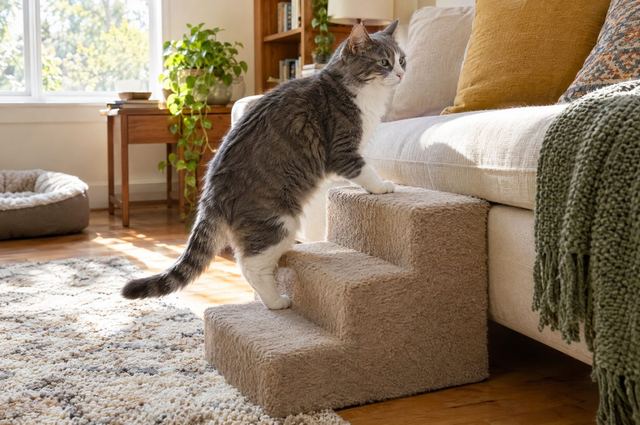
Make the floors safe. The Dog Aging Project advises rugs with a grip where your dog walks and lies down, short nails, and ramps or steps to the sofa and the car. The RSPCA also says to put rugs or carpet on slippery floors. Our guide has nine fixes: old dog slipping on floors.
Exercise. The RSPCA says seniors still need regular exercise and that shorter, more frequent walks are better. The ASPCA says exercise helps keep muscle and strength, limits weight gain and eases joint stiffness, and that being consistent matters most. Your vet can set the right amount.
Step 6: Sight and hearing
The AVMA says it is normal for pets to lose some sight and hearing with age. Cataracts can develop. A dog with poor sight or even blindness can get around well in a home it knows.
- Do not move the furniture. The AVMA says to avoid rearranging or adding things that could become obstacles.
- Use hand signals. The AVMA says simple gestures for “come” and “stop” let you keep control without words.
- Avoid sudden loud noises. The RSPCA asks family members to do this so the dog is not startled.
- Watch for a dog that ignores you. The RSPCA says this may mean hearing loss. Ask your vet for a check.
Step 7: Thinking and memory
The AVMA lists behaviour changes that can mean cognitive dysfunction, which is like dementia in people: confusion, more wandering, more anxiety, house soiling, changes in sleep, less play and a poorer response to cues. The 2023 AAHA guidelines say that about 14% to 22.5% of dogs older than 8 years have age-related cognitive impairment.
Vets have a new standard. In 2026 the Canine Cognitive Dysfunction Syndrome Working Group published the first guideline for diagnosis. It describes three stages: mild, moderate and severe. Cornell University lists seven signs, with the short name DISHAA. They are disorientation, changes in interaction, changes in sleep, house soiling, changes in activity, anxiety, and learning and memory.
Many things look like dementia, such as pain, hearing loss and illness. Only your vet can tell. Read our guide on the stages of dog dementia for the signs, how vets diagnose it and what to record.
The AVMA says some diets, medicines and chances to interact with the environment may support brain function. Ask your vet. Do not start a supplement on your own.
Step 8: Nights
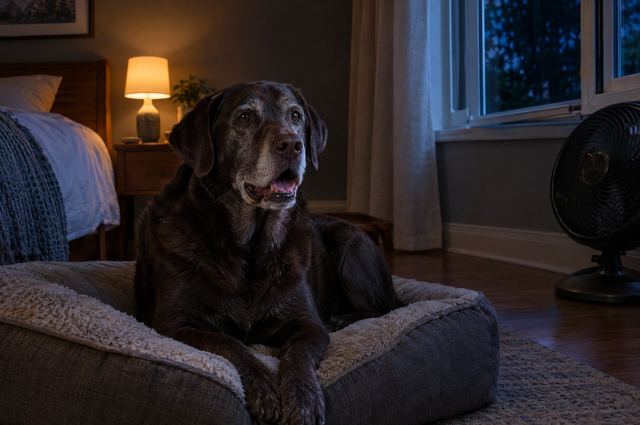
Night is when many owners first see a change. Four of our guides cover the common ones:
- Pacing and restlessness. Cornell says night pacing is often the first sign of dementia that families see. Pain, a full bladder and poor sight or hearing can also wake an old dog. See old dog pacing at night.
- Extra thirst. More drinking at night can come with illness. See dog drinking a lot of water at night.
- Panting in a cool room. Cornell lists panting at rest as a sign of pain. See dog panting at night when it is not hot.
- Shaking or trembling. Dreams and cold are common causes. A toxin or a seizure is an emergency. See dog shaking at night.
For all four, the best first step is a log. Write the night, the time, what you saw and how long it lasted. A week of notes helps your vet far more than “he is restless”.
The RSPCA also says older dogs may need to go out more often. Give your dog easy and regular access to a toilet area. Tell your vet about any loss of house training.
Set up the home
A senior-friendly home does not need much money. These changes come from the sources above.
| Change | Source |
|---|---|
| A thick, soft bed away from draughts, in a quiet place | RSPCA, VCA |
| Rugs or carpet with grip on slick floors | RSPCA, Dog Aging Project |
| Food, water, bed and toys within easy reach | RSPCA |
| A water bowl on every floor | VCA |
| Raised bowls | VCA |
| Ramps or steps to the sofa, bed or car | AVMA, ASPCA, VCA |
| The bed or food moved to the main floor, so the dog avoids stairs | ASPCA |
| Furniture kept in the same place if sight is poor | AVMA |
| A steady routine, with few changes | RSPCA |
| A coat in cold or wet weather | RSPCA |
VCA also says to keep a senior dog indoors and to take care in extreme weather.
When to call your vet now
Do not wait for the next checkup when you see these. VCA gives this list of signs to have examined without delay:
- A lot more drinking or urinating that does not stop
- Weight loss, or a big change in appetite
- Repeated vomiting, or diarrhea that lasts more than 3 days
- Trouble passing urine or stool, or incontinence
- Limping that lasts more than one or two days, or a leg that takes no weight for more than a few hours
- A lump, an open sore or an odd scab
- Foul breath or drooling, or a dog that cannot chew dry food
- A larger belly
- Less energy, or sleeping much more than usual
- Constant coughing or gagging, fast or hard breathing, or heavy panting
- Sudden collapse or weakness, or a seizure
- A big drop in vision
The AVMA adds signs of cancer: swelling of the belly, bleeding from the mouth, nose or other openings, trouble eating, swallowing or breathing, lumps or colour changes in the skin, and sores that do not heal.
Call an emergency vet at once if your dog collapses, has a seizure, cannot breathe well, or has pale or blue gums.
What to write down
You see your dog every day, so slow change is easy to miss. Notes show the trend. Keep one page for each of these:
- Weight every 2 months.
- Sleep and nights: how many times your dog woke, paced or called out.
- Water: how much, over a full day, if thirst changes.
- Movement: stairs, getting up, slipping, limping.
- Mind: getting lost, staring, missed cues, accidents.
- Good days and bad days. Mark each day on a calendar.
- Medicines: name, time and who gave it.
Our Senior Dog Comfort & Cognition Journal has all of this in a fillable PDF. It includes a vet call guide, a daily comfort check, weekly movement and mind scores, a night and sleep log and a plan for good days. It does not diagnose. Your vet does.
When care starts to change
Most senior dogs have long years of good life. But there may come a time when comfort matters more than anything else.
The causes of death in older dogs vary by study. The AVMA says cancer is the cause of death in almost half of dogs older than 10. The RSPCA lists cancer, arthritis and nerve conditions as the main causes in the data it cites.
Talk about quality of life with your vet early. You do not have to wait for a crisis. Our guide how to know when to put your dog down gives signs of poor quality of life, a good and bad day calendar, and questions to ask your vet. For the whole path, from the decision to grief, read how to cope with losing a pet.
What about cats?
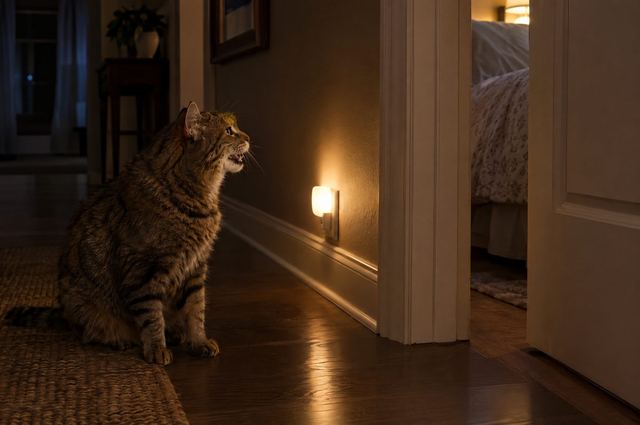
Cats age differently, and the advice is not the same. The AVMA says cats are generally senior after 10 years, and that weight loss is a bigger worry in senior cats. See when is a cat a senior, older cat not jumping and old cat yowling at night.
Every guide in this series, in order
- When is a dog a senior?: age by size and the life stages.
- How to tell if your dog is in pain: 18 signs.
- Dog limping but not crying: what to check today.
- Old dog slipping on floors: 9 fixes.
- Dog dementia stages: mild, moderate and severe.
- Old dog pacing at night: causes and what to do tonight.
- Dog drinking a lot of water at night: how to measure it.
- Dog panting at night when it is not hot: causes and a 7-night log.
- Dog shaking at night: dreams, cold, pain or a seizure.
- How to know when to put your dog down: quality of life signs.
A plan on paper
If you want one place for all of it, the Senior Dog Comfort & Cognition Journal is a fillable PDF for an older dog. It has a daily comfort check, weekly movement and mind scores, a night and sleep log, a home safety walk, and notes for each vet visit.
Questions
How often should a senior dog go to the vet?
At least twice a year. The AVMA, VCA Animal Hospitals and the ASPCA all give this advice. The AVMA says senior exams are more in-depth than for younger dogs and may include dental care and bloodwork. Go sooner if you see a change. Your vet may want visits more often if your dog has a health problem.
What age is a senior dog?
It depends on size. The AVMA says a dog is senior in the last 25% of its expected life span. Using American Kennel Club data, that is about 8 to 11 years for small dogs, 8 to 10 for medium, 8 to 9 for large and 6 to 7 for giant breeds.
What are the signs of aging in dogs, and which are normal?
Grey hair, a slower pace and some loss of sight and hearing are common. The AVMA says behaviour changes, such as less play, night waking, house soiling or stiffness, can be the first signs of disease. The AAHA says old age is not a disease. Report new changes to your vet instead of waiting.
How much should a senior dog exercise?
The RSPCA says senior dogs still need regular exercise, and that shorter, more frequent walks are better. The ASPCA says to be consistent, and to build up slowly from short walks if your dog has been less active. Your vet can tell you the right amount for your dog.
How do I know if my senior dog is in pain?
Dogs hide pain. Cornell University lists limping, stiffness, trouble on stairs, panting at rest, restlessness and snapping when touched, among other signs. Book a vet visit if you see them. Never give a human pain medicine. The FDA says these can cause serious harm in dogs.
What are common health problems in senior dogs?
VCA Animal Hospitals lists osteoarthritis, obesity, dental disease, hormonal disorders, kidney, liver and heart disease, cancer and cognitive dysfunction. The AVMA says cancer is the cause of death in almost half of dogs older than 10 years. Regular exams help find these early.
Should I get a puppy for my senior dog?
Ask your vet first. The AVMA says to talk to your vet before you bring a new pet, especially a puppy, into a home with a senior pet. It says the best time to add a new pet is when your older dog is still active.
Sources
- AVMA: Caring for senior cats and dogs
- AAHA: 2023 AAHA Senior Care Guidelines for Dogs and Cats
- VCA Animal Hospitals: Senior Dog Care, Special Considerations (updated 17 July 2026)
- RSPCA: Senior dogs
- ASPCA: 5 expert tips for caring for senior pets
- Cornell University College of Veterinary Medicine, Riney Canine Health Center: Recognizing pain in dogs
- Cornell University College of Veterinary Medicine, Riney Canine Health Center: Senior dog dementia
- Olby NJ and others, Canine Cognitive Dysfunction Syndrome Working Group (2026). Guidelines for diagnosis and monitoring of canine cognitive dysfunction syndrome. JAVMA, pages 498-505
- Dog Aging Project, McNulty K (18 March 2021). Mobility Tips and Tricks for Senior Dogs
- US Food and Drug Administration (FDA), Center for Veterinary Medicine: Get the Facts about Pain Relievers for Pets
This article helps you organise care. It does not replace advice from your vet.