Dog dental cleaning cost: what is in the bill and how to plan for it
Your vet says your dog needs a dental cleaning. Then comes the estimate, and it is more than you expected. Why so much for clean teeth?
This guide is one step in our complete guide on how to pay for vet bills: every option, before, at the desk and after.
Because a proper dental cleaning is not just a scrub. It is a procedure under anaesthesia, with X-rays, and sometimes surgery. This guide explains each line on the bill, the price range we found, why the steps matter, and how to plan for it.
This page gives general information. It is not financial or veterinary advice.
The price range
CareCredit published a guide on 24 April 2026. It uses a 2025 cost study done for CareCredit by the research firm ASQ360. It found:
- National average for a dog teeth cleaning: $388.
- Range: $307 to $702.
CareCredit says the final cost depends on whether extractions or other procedures are needed. It does not give figures for those. Expect extractions, especially of large teeth with deep roots, to add to the bill.
Treat these figures as a guide. Your clinic’s estimate is the only one that counts.
What is on the bill
A full dental bill usually has these lines. Ask about each one.
- Exam. A check before the day, and the oral exam under anaesthesia.
- Blood tests. VCA says vets run a complete blood count and a chemistry panel before anaesthesia, to check for hidden problems.
- Anaesthesia and monitoring. The drugs, the breathing tube, fluids and a nurse who watches heart rate, breathing and temperature.
- Dental X-rays. VCA says full-mouth X-rays are usually taken to check the jaw bones and tooth roots.
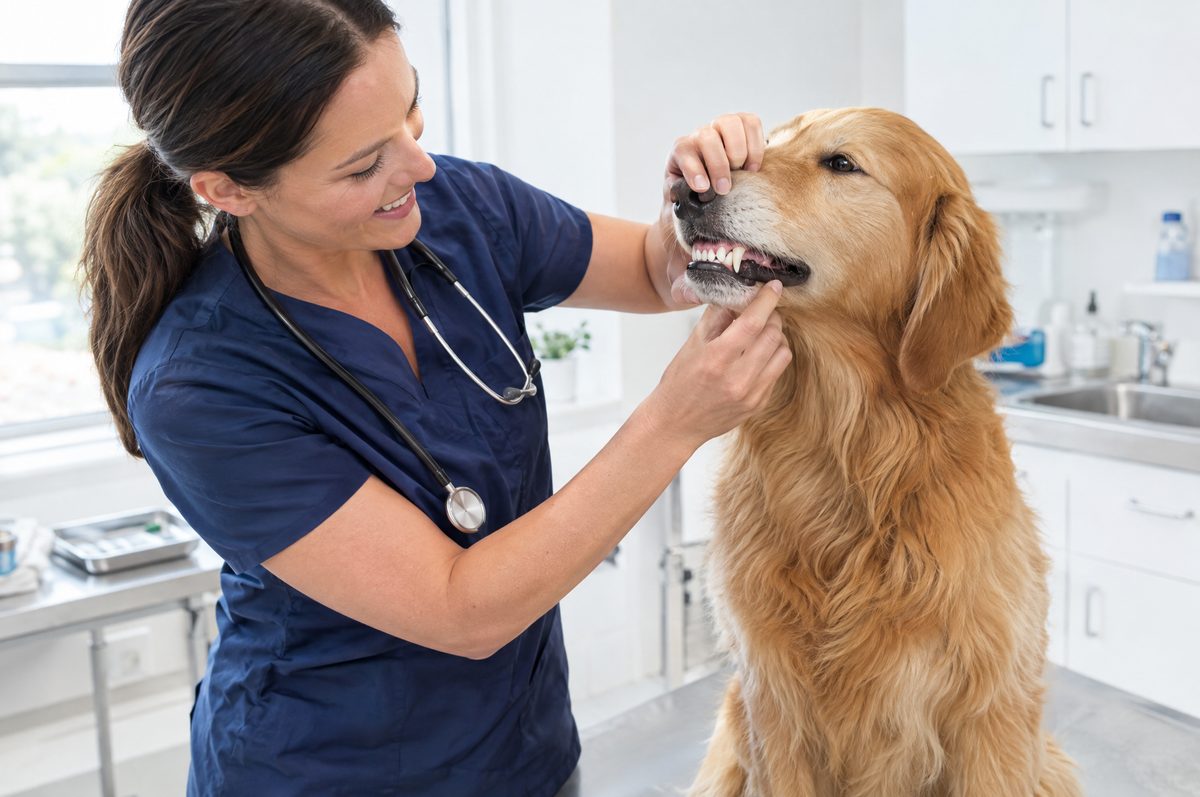
- Scaling and polishing. VCA says an ultrasonic scaler removes tartar from the visible tooth and from just below the gumline. Then the teeth are polished.
- Probing. VCA says the vet probes each tooth for pockets in the gum.
- Extractions, if needed. Each tooth may be priced separately.
- Pain relief and antibiotics, if needed.
- Take-home medicine and a recheck.
Why anaesthesia matters
VCA states that there is no way to remove tartar below the gumline or between the teeth without anaesthesia. Most dental disease starts below the gumline, out of sight.
AAHA’s dental care guidelines say that by three years of age most dogs and cats have some level of periodontal disease, often unnoticed by owners. They say untreated disease causes mouth pain, infection and inflammation. They also say fear of anaesthesia is the most common reason owners skip proper dental care.
AAHA says that after proper treatment, many owners report a “whole new pet”: happier and more active.
About anaesthesia-free cleaning
Some groomers and clinics offer cleaning without anaesthesia. It costs less. But VCA says it cannot remove tartar below the gumline. It makes the teeth look clean while disease below may continue. AAHA’s guidelines discuss the risks of non-anaesthetic scaling. Talk to your vet before you choose it.
How to ask for an estimate
Ask for a written estimate before the day. Use these words:
- “Can I have a written estimate with each line listed?”
- “Can you give a low figure and a high figure, in case you find more problems?”
- “Will you call me before any extraction that is not on the estimate?”
- “What is the most I could pay? Can we agree a limit?”
- “Which parts can wait, if cost is a problem?”
- “Do you offer a payment plan or a deposit?”
Vets expect these questions. A 2026 Gallup survey of 933 US vets found 81% always or often suggest another plan when a client cannot afford recommended care. But 34% ask about money only if the client raises it. So raise it.
Why the bill can change on the day
Vets often cannot see every problem until your dog is asleep and the X-rays are done. A tooth that looked fine may have a root abscess. That is why a “low to high” estimate is useful. Agree in advance how the clinic will contact you.
Ways to pay
- Save ahead. Dental work is usually planned. Put aside a set amount each month.
- Insurance. Read the dental section of your policy. Many plans treat cleaning as routine and do not pay, but may pay for some dental disease. Ask before you book.
- Clinic payment plans. Read whether vets do payment plans.
- Credit for vet care. Read the terms first. Our guide to CareCredit vs Scratchpay explains deferred interest.
- Help. Our guide on what to do if you cannot afford the vet bill lists more places to ask.
Home care to delay the next one
Daily brushing is the best home care. It slows the build-up of tartar and can delay the next cleaning. If your dog refuses, read how to brush dog teeth when they refuse. Ask your vet which dental chews and diets are worth it.
Plan the bill before it comes
The Dog Vet Bill Plan has the words to say at the desk, a Plan A, B and C sheet, and a fund plan. A planned procedure like a dental cleaning is the perfect place to use it.
Questions
Why does my dog need anaesthesia for a cleaning?
VCA says there is no way to remove tartar below the gumline or between the teeth without anaesthesia. Anaesthesia also lets the vet probe each tooth and take X-rays. AAHA says fear of anaesthesia is the most common reason owners skip proper dental care.
Can I skip the blood tests?
Ask your vet. VCA says vets run a blood count and a chemistry panel before anaesthesia to find hidden problems that could raise the risk. For an older dog, these tests matter more. Ask what the risk is if you skip them.
Does pet insurance pay for dental cleaning?
It depends on the policy. Many accident and illness plans pay for some dental disease treatment but not routine cleaning. Some wellness add-ons help with cleaning. Read the policy's dental section and ask the insurer before you book.
Can I pay over time?
Ask your clinic about a payment plan or a deposit. Dental work is often planned, so you can save ahead. If you use a care credit card, read the deferred interest terms first.
Is anaesthesia-free cleaning a cheaper option?
It cleans only what you can see. VCA says it cannot remove tartar below the gumline, where most disease is. AAHA's dental guidelines discuss the risks of non-anaesthetic scaling. Ask your vet before you choose it.
Why did the estimate change on the day?
Vets often cannot see every problem until the dog is under anaesthesia and the X-rays are taken. Ask the clinic to call you before any extraction that was not in the estimate, and agree a maximum in advance.
Sources
- CareCredit Well U: Dog teeth cleaning cost (24 April 2026), citing the 2025 Synchrony Average Procedural Cost Study by ASQ360
- VCA Animal Hospitals: Risks of anesthesia-free dental procedures, Hunter and Barnette (updated 23 April 2024)
- AAHA: 2019 AAHA dental care guidelines for dogs and cats
- Gallup: Veterinarians say cost is the main driver of declined care, Kemp (January 2026)
This article helps you organise care. It does not replace advice from your vet.