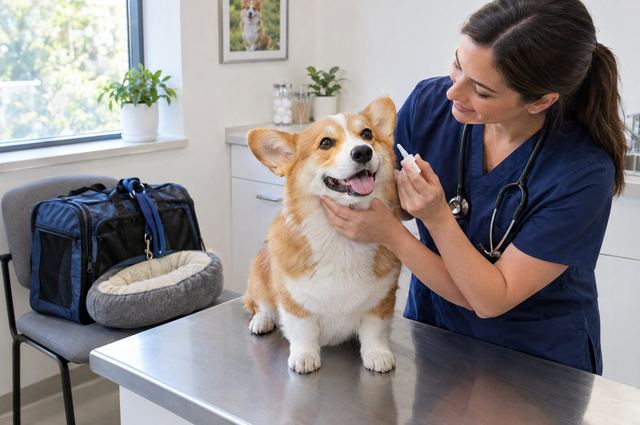
Vet release form for pet sitters: what to include and why it matters
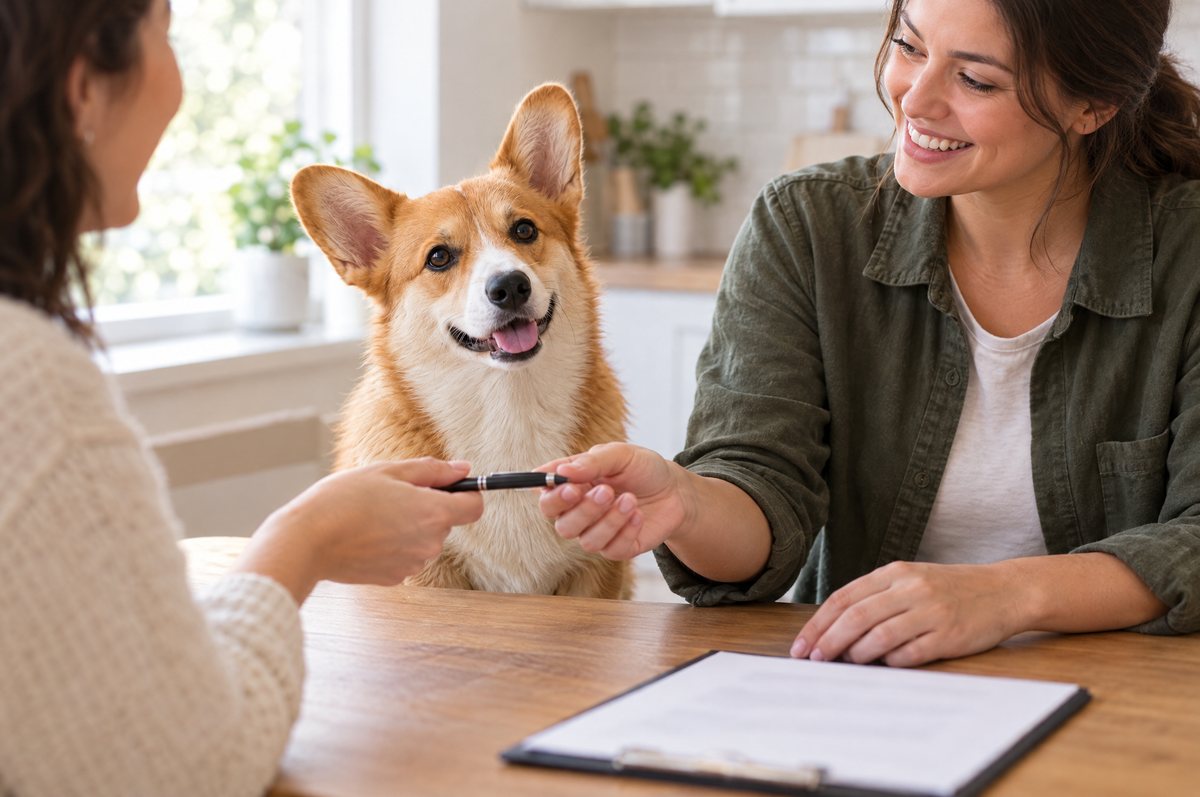
Your pet gets sick on day three of your trip. Your sitter rushes to the clinic. Then the clinic asks a question the sitter cannot answer: “Do we have the owner’s permission?”
A signed veterinary release answers that question before anyone asks it.
Why do pet sitters ask for this form?
Pet Sitters International is a trade group for professional pet sitters. It says most of its members require a veterinary release form from their clients. The reason is simple. In an emergency, the sitter may not be able to reach you. The form shows the clinic that you agreed to emergency care.
Pet Sitters International also reports cases where a clinic would not treat a pet without the owner’s consent. Some clinics now want to hear the owner’s permission by phone. A form plus a call to your vet before you travel covers both cases.
What should the form include?
- Your consent. A clear sentence that the sitter can bring your pets to a vet while you are away.
- Who and when. Your name and phone number, the sitter’s name and phone number, and the dates the form is valid.
- Which pets. List every pet by name and species.
- A spending limit. Pet Sitters International notes that many sitters ask for a pre-approved amount for care. Write a limit for each pet.
- Above the limit. What the clinic must do if care will cost more. Usually: call the owner first, then the backup person.
- A backup contact. Someone who can make a decision if no one can reach you.
- Your choices in advance. For example, whether to resuscitate, and whether to call you before any surgery.
- Payment. How the clinic gets paid, and whether a card is on file.
- Your signature and the date.
How to choose a spending limit
There is no standard amount. Use these steps:
- Ask your vet what an emergency visit usually costs in your area.
- Think about what you would pay without hesitation for a sudden illness.
- If you have pet insurance, check what it covers and how claims work.
- Write one number for each pet. Older pets or pets with health conditions may need a higher limit.
Two calls to make before you leave
- Call your vet. Ask if they accept your form, or need their own. Ask if they need to hear your consent by phone.
- Call your backup person. Make sure they agree to make decisions, and know your choices.
Common mistakes
- No dates. A form with no dates is easy to question. Write the start and end dates of your trip.
- No limit. “Do whatever it takes” is hard for a clinic to act on. Give a number, and a rule above it.
- One copy only. Give one copy to the sitter, one to your vet, and keep one in your records.
- Missing pet facts. The vet will also ask about medicines, allergies and weight. Put them with the form.
Keep it with the rest of the sitter’s papers
The release works best next to the facts a vet asks for: medicines, allergies, weight and microchip number. A sitter who arrives at the clinic with all of it on paper saves time when time matters most.
The Household Command Binder has a ready-to-sign Veterinary treatment authorisation page with a spending limit and choice boxes. It sits next to a one-page grab-and-go summary for each pet. For the rest of the sitter’s instructions, use the free sitter sheet tool.
This article is general information, not legal or veterinary advice.
Questions
Will every vet accept my form?
Not always. Some clinics have their own form, and some want to hear the owner's consent by phone. Call your vet before you travel and ask what they need.
How much should the spending limit be?
There is no standard number. Ask your vet what a typical emergency visit costs where you live. Then choose an amount you can pay without a second thought.
Do I need a lawyer for this?
For a simple trip, most owners use a standard form. Rules on consent differ by place, so ask a local professional if your case is complex.
Does a friend who watches my pet need this form too?
Yes. A friend has no more authority at a clinic than a professional sitter. Give a friend the same signed form.
Sources
This article helps you organise care. It does not replace advice from your vet.